Remote Village Library Facility for Development: Empowering Rural Communities Through Knowledge
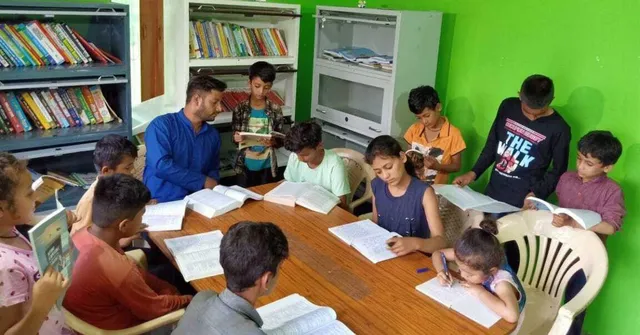
Education is the foundation of a progressive society, yet many remote villages continue to face significant challenges in accessing quality learning resources. While schools provide basic education, students often lack a dedicated space where they can read, learn, and prepare for a brighter future. A remote village library serves as more than just a collection of books—it becomes a center for education, awareness, skill development, and community growth.
At Uttardayitva Foundation, we believe that every individual, regardless of their location, deserves equal access to knowledge. Establishing library facilities in rural areas is one of the most effective ways to bridge the educational gap and inspire lifelong learning.
Why Do Remote Villages Need Libraries?
Many villages have talented students who aspire to become teachers, engineers, doctors, civil servants, and entrepreneurs. However, they often face limitations such as:
- Lack of educational resources.
- Limited access to competitive examination materials.
- Poor internet connectivity.
- Absence of a peaceful study environment.
- Financial constraints in purchasing books.
A well-equipped village library helps overcome these barriers by providing free or affordable access to educational resources for everyone.
A Library is More Than Just Books
Modern rural libraries are community learning centers where people of all ages can benefit. Apart from books, they can provide:
- Newspapers and magazines.
- Competitive examination study materials.
- Children’s storybooks.
- Career guidance resources.
- Educational workshops.
- Health and environmental awareness materials.
- Digital learning opportunities.
- Reading and discussion sessions.
Such facilities encourage continuous learning and personal development within the community.
Benefits of Library Facilities in Rural Areas
Improving Educational Opportunities
Students gain access to textbooks, reference books, and learning materials that may not be available in their schools. A library provides a quiet and focused environment that supports regular study habits.
Supporting Competitive Exam Aspirants
Many rural students dream of securing government jobs but struggle to access quality preparation resources. Libraries can offer books for examinations such as UPSC, MPSC, SSC, Banking, Railways, Police Recruitment, and other competitive exams, making quality preparation more accessible.
Encouraging Reading Habits
Reading broadens knowledge, improves vocabulary, strengthens critical thinking, and builds confidence. Developing a reading culture from a young age contributes to better academic and personal growth.
Digital Learning Opportunities
With computers and internet access, libraries can introduce students to online courses, digital classrooms, educational videos, and government learning portals. This helps reduce the digital divide between urban and rural communities.
Community Awareness
Libraries can host awareness sessions on important topics such as:
- Health and hygiene.
- Environmental conservation.
- Financial literacy.
- Government welfare schemes.
- Women’s empowerment.
- Career planning.
These activities help create informed and responsible citizens.
Libraries as Centers for Social Development
A village library brings people together. It provides a common space where students, teachers, parents, and community members can learn from one another.
Regular activities may include:
- Book reading sessions.
- Career counselling.
- Motivational talks.
- Skill development workshops.
- Children’s educational activities.
- Personality development programs.
- Community discussions.
Such initiatives strengthen social bonds and encourage collective progress.
Empowering Children and Youth
Children are naturally curious learners. Access to storybooks, science books, educational games, and creative activities helps develop imagination and problem-solving skills.
For young adults, libraries provide opportunities to:
- Prepare for higher education.
- Learn communication skills.
- Develop digital literacy.
- Explore career options.
- Build confidence through continuous learning.
These opportunities contribute to creating capable and responsible future leaders.
The Role of Community Participation
The success of a village library depends on active community involvement. Local residents, teachers, volunteers, social organizations, and donors can contribute in various ways by:
- Donating books.
- Volunteering time.
- Organizing educational events.
- Supporting maintenance.
- Encouraging children to read regularly.
When the entire community takes ownership of the library, it becomes a sustainable center of learning for future generations.
Uttardayitva Foundation’s Vision
Uttardayitva Foundation is committed to promoting education and equal opportunities by establishing study library facilities in remote villages.
Our vision is to create learning environments where students can access educational resources without financial or geographical barriers. Through libraries, awareness programs, and community engagement, we aim to nurture informed, confident, and socially responsible individuals.
Every library established represents a step toward a more educated, empowered, and self-reliant rural community.
How You Can Support This Mission
You can contribute to the development of rural education by:
- Donating educational books.
- Sponsoring library furniture or study materials.
- Supporting digital learning facilities.
- Volunteering as a mentor or teacher.
- Organizing awareness and career guidance sessions.
- Encouraging local students to use library resources regularly.
Even a small contribution can create a lasting impact on the lives of many students.
Conclusion
A remote village library is not merely a building filled with books—it is a gateway to opportunity, knowledge, and social transformation. By providing access to quality educational resources, encouraging reading habits, and promoting lifelong learning, libraries empower individuals and strengthen entire communities.
At Uttardayitva Foundation, we believe that education has the power to transform lives. Establishing library facilities in remote villages is a meaningful investment in the future of our nation. Together, we can ensure that every child, regardless of where they live, has the opportunity to learn, dream, and succeed.
Frequently Asked Questions (FAQs)
What is the purpose of a remote village library?
A remote village library provides students and community members with access to books, educational resources, digital learning, and awareness programs that support lifelong learning and community development.
Who can use the village library?
Students, teachers, parents, job seekers, children, and all community members can benefit from the library’s resources and educational activities.
How do libraries help competitive exam aspirants?
Libraries provide study materials, reference books, newspapers, previous years’ question papers, and a peaceful study environment that supports effective exam preparation.
How can I contribute to a rural library project?
You can support by donating books, educational materials, computers, furniture, or by volunteering your time and expertise to conduct educational sessions.
Why are libraries important for rural development?
Libraries improve literacy, increase educational opportunities, promote digital inclusion, spread social awareness, and empower communities through knowledge, making them an essential part of sustainable rural development.